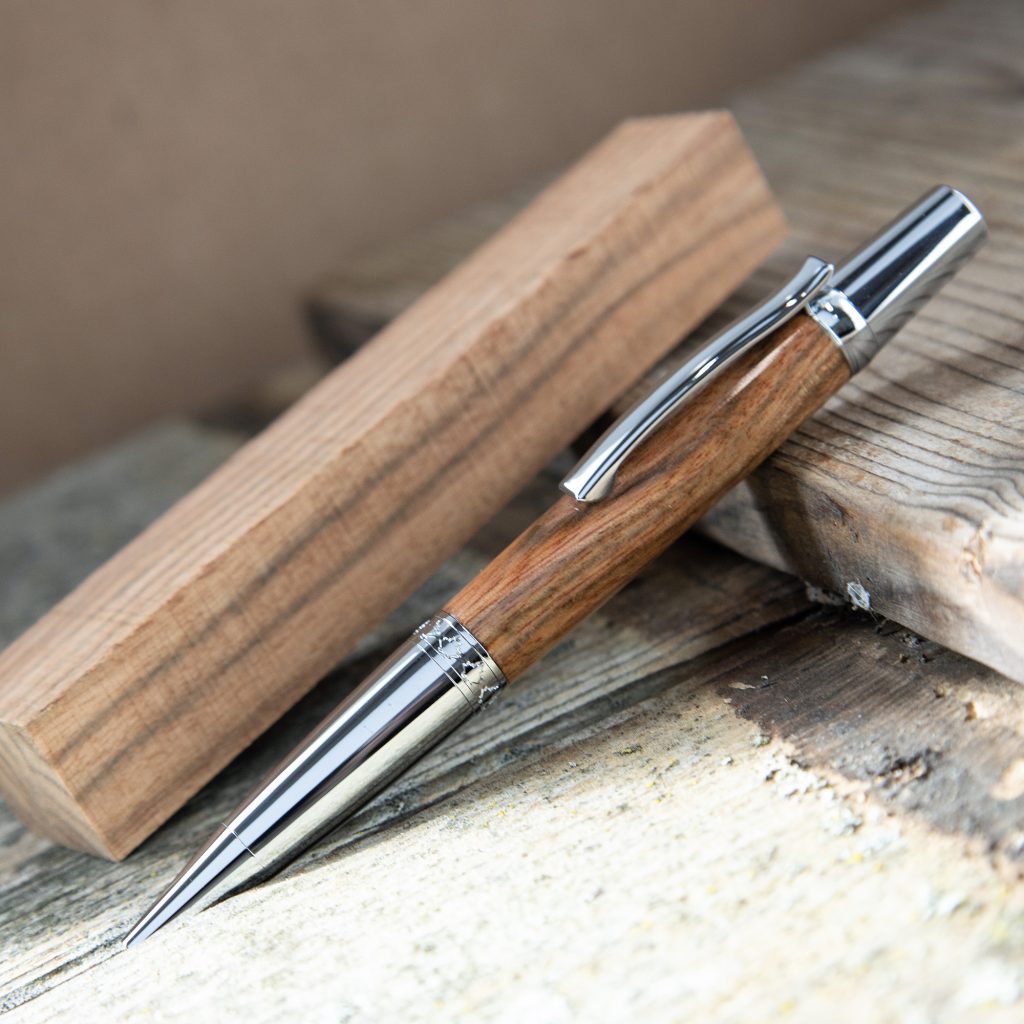
Woodturners love exotic wood for its huge range of colours and intriguing features. The problem is, sometimes it can be surprisingly difficult to finish. Many tropical woods in particular are oily, which can interfere with some of the most common finishing products. Unusual, interesting wood may be prized in pen turning, but a durable, beautiful finish is also important. There are a couple of ways to approach finishing oily wood to prevent frustration and save time.
Dealing with oily wood in pen turning
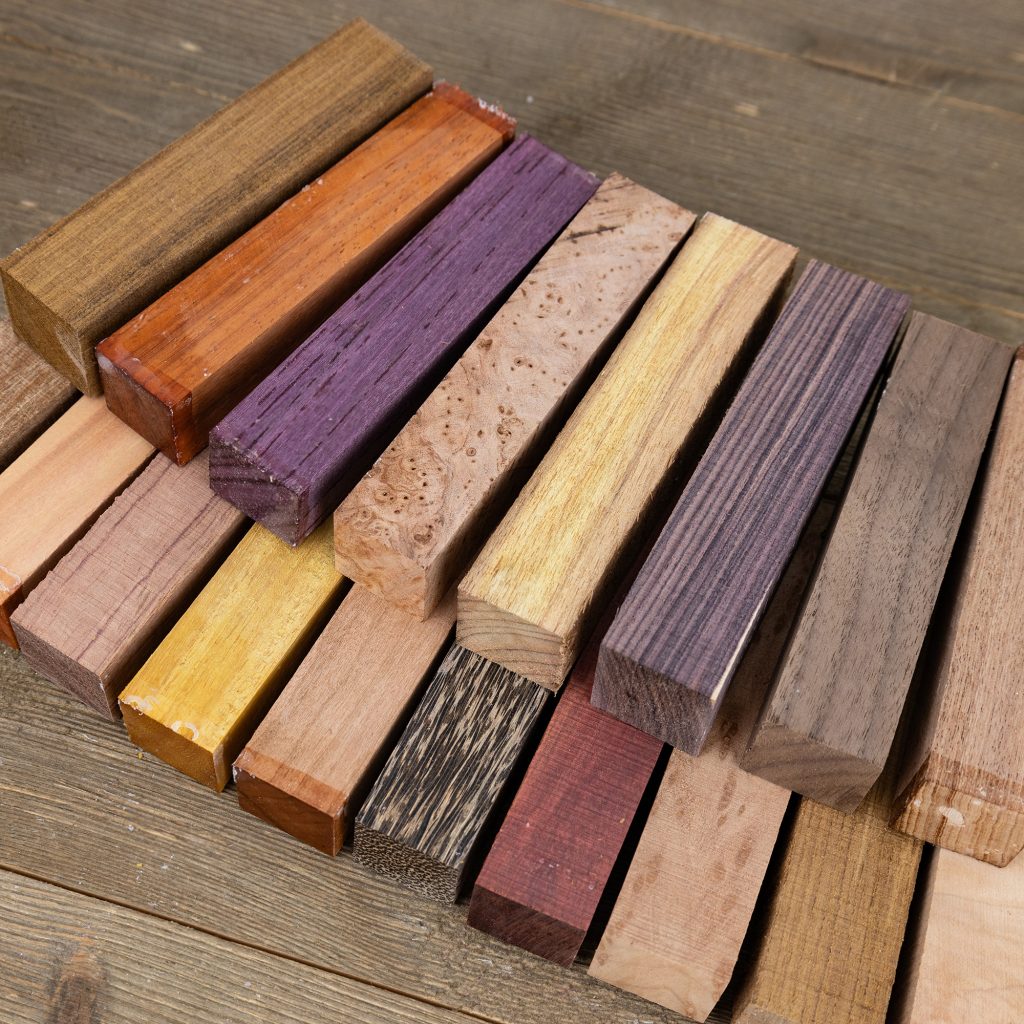
Some popular examples of oily wood are cocobolo, rosewood, padauk, purpleheart and teak. Trees that grow in humid climates like the rainforest develop natural oils to protect themselves from the accelerated decay caused by moisture and heat. It also protects them against insects and disease which makes them strong and durable. These qualities are excellent for making custom pens which get handled a lot. The only problem is, nothing can stick to an oily surface, and that includes finishes like CA glue. The natural oil prevents the finish from bonding with the wood and can prevent it from curing. Even your favourite oil-based finishes can sometimes clash, resulting in a tacky surface.
Prepping tropical wood for finishing
Wiping and sealing the wood can prevent all of these problems. If done properly, you can follow up these steps with almost any kind of finish you choose.
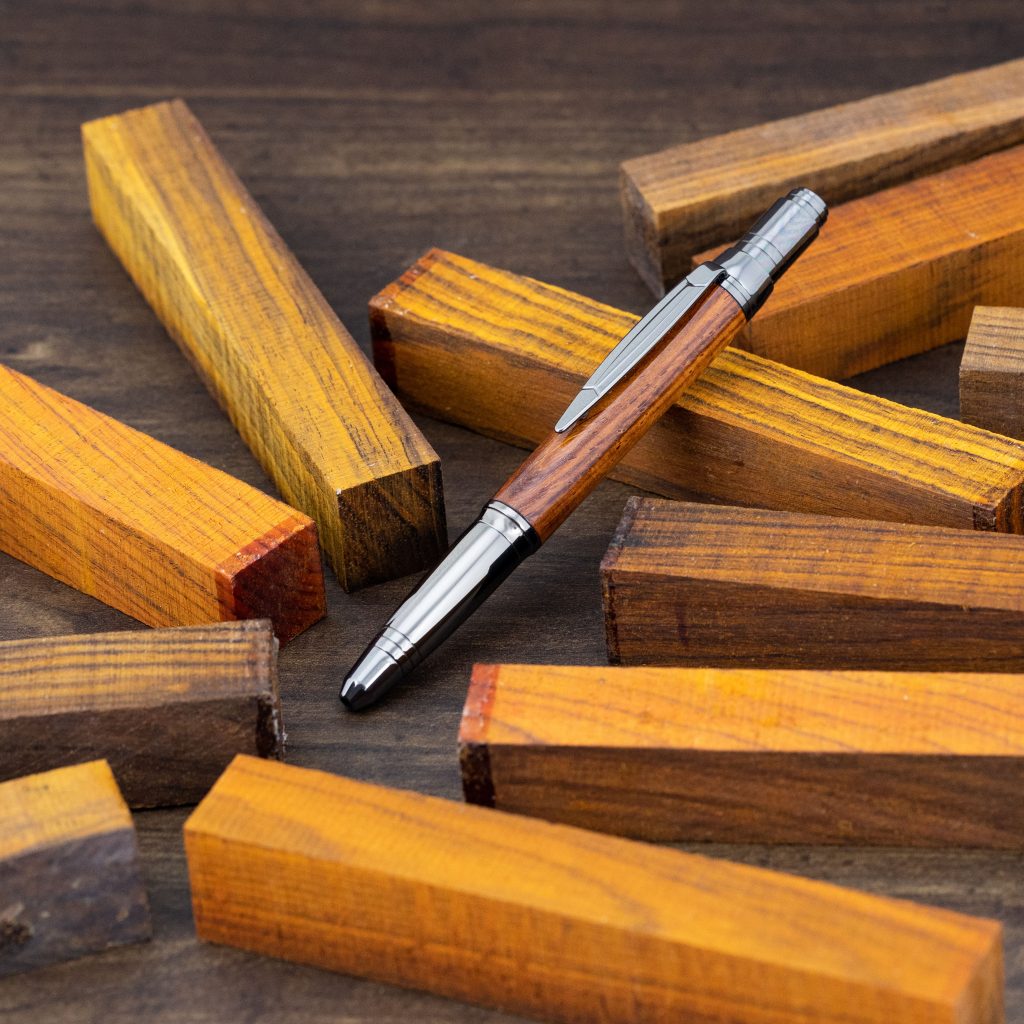
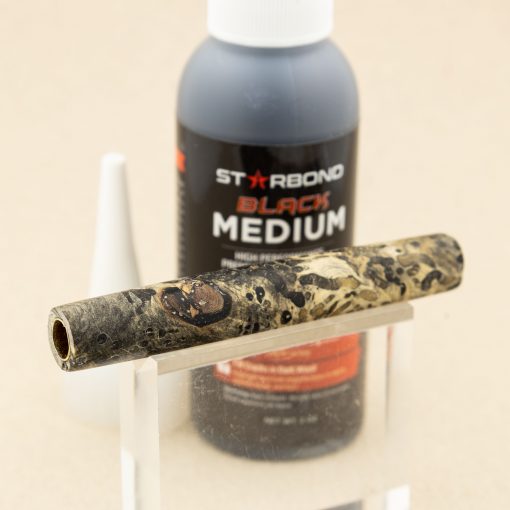
Using a shop cloth, wipe the wood with acetone or denatured alcohol. (Denatured alcohol is a type of ethyl alcohol, not to be confused with rubbing alcohol.) These chemicals evaporate the oil on the surface so you can apply a sealer like dewaxed shellac. Shellac will seal the oil in and cure by evaporation, leaving behind a hard shell. For especially oily wood, you may need more than one layer of shellac. Once it’s fully hardened, follow with your choice of finish.
It’s important to note that if you want to use a natural oil or wax finish, shellac will prevent it from soaking into the wood. In this case, just wipe the pen blank thoroughly with acetone or alcohol, skip the shellac and apply your finish.
Fixing a tacky finish on exotic wood pen blanks
Say you’ve spent hours turning a beautiful custom pen but now your finish won’t cure or you notice the oil resurfaces over time. Your lathe project can be rescued, although it may be a little more time-consuming than planned. There are three things you can do:
- Buff the tacky surface with mineral oil and steel wool, let it sit overnight and see if it’s still sticky the next day. If so, repeat.
- Scrub the pen blank with a fast-drying solvent to remove the tacky finish.
- Scrape or sand the finish off and start over.
If all else fails, play the waiting game. Some finishes will lose their tackiness with the passage of time, although there’s no way of knowing how long that might be.
Canadian woodturning and pen making materials
Here at William Wood-Write we’re always on the lookout for new and interesting exotic wood to turn, with an ever-expanding inventory of pen blanks. We also carry specialty pen blanks made right here in our shop, along with pen kits and turning tools. When it comes to turning pens, if you need it, we’ve probably got it! Don’t forget to check out our growing library of how-to videos for advice and inspiration.